
The divers' cove in Cala Rajada
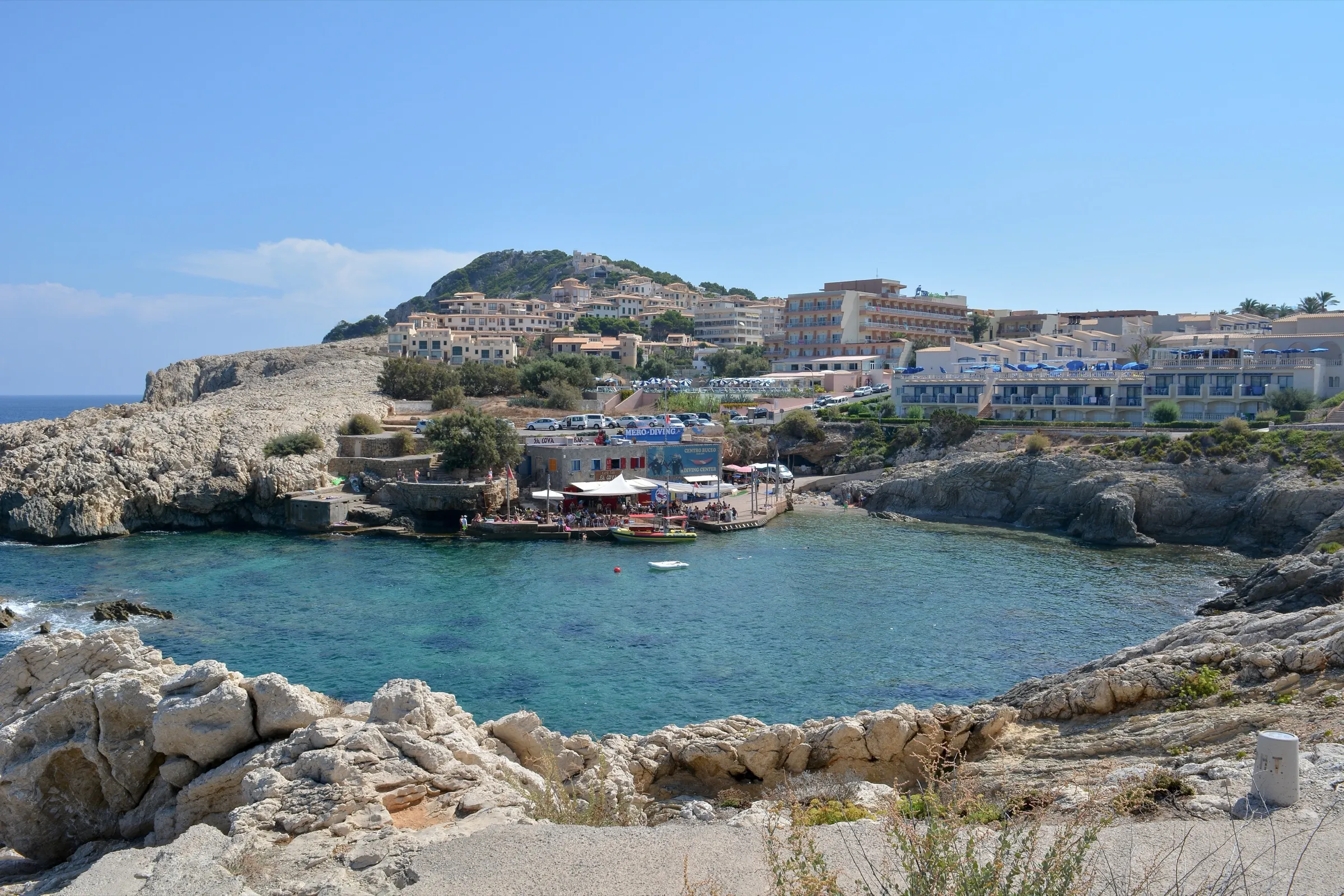
A small inlet between pale rock, right in the town of Cala Rajada and inside the Llevant Marine Reserve. It's less a beach than a place to swim off the rocks and look at the seabed: a diving school has been based here since 1970, and a seaside promenade links it with Cala Agulla.
30m
Of cove between rocks
1970
The year the diving school arrived
800m
Along the coast to Cala Agulla
Today at Cala Lliteres
Sea conditions today
Calculating…
We couldn't check the wind right now. Try reloading in a while.
- Wind
- Offshore waves
Cala Lliteres opens to the . With an offshore wind it stays sheltered; if the wind blows in from the sea, the waves come in.
Parking
No parking of its own
Then about 2 min on foot (easy).
See it from the sea
Trips that pass by Cala Lliteres. In July and August it pays to book ahead.
Cala Ratjada: afternoon boat trip with drinks and snacks
Leaves from Cala Ratjada harbour, next to the cove, and follows the coast with swim stops.
Check dates and pricesBook on GetYourGuide
Cala Rajada: boat trip with drinks and lunch
Departs from Cala Ratjada harbour with several swim stops and lunch on board.
Check dates and pricesBook on GetYourGuide
Cala Rajada: sunset stand-up paddle tour
Guided paddleboard outing with snorkelling from Cala Gat or Cala Agulla, close to the cove.
Check dates and pricesBook on GetYourGuide
What you’ll find
- Rock
- Rock, with a small corner of gravel, about 30 × 10 m of beach.
- Facilities
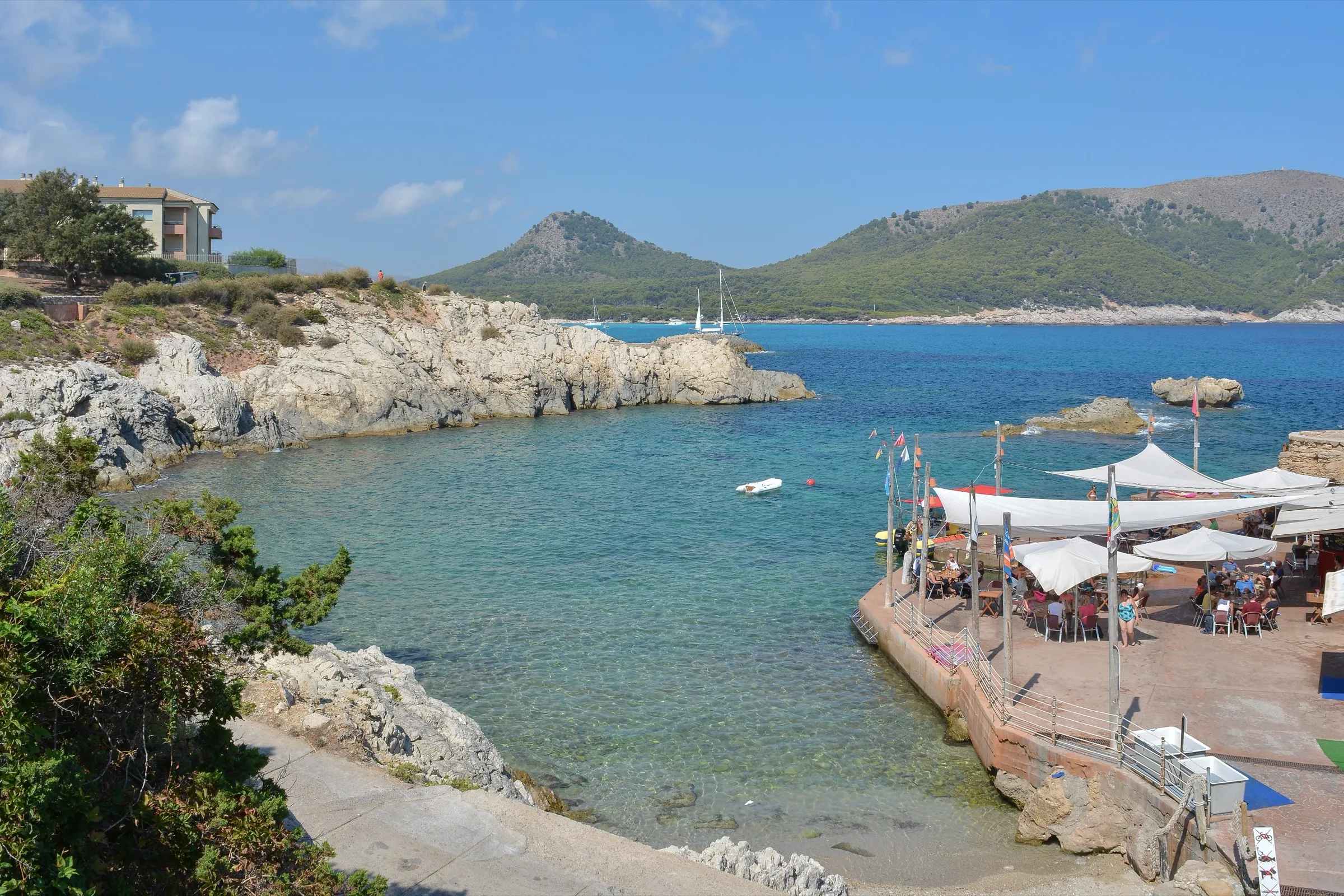
- Beach bar.
- Little shade
- There's no shade on the rock. Only the bar terrace has awnings.
- Snorkelling: excellent
- It's inside the Llevant Marine Reserve. Divers from the school do their first dive on the cove's own reef, at between 10 and 18 metres.
- Kids, with care
- There's no sand to play on, and you get into the water down steps or from the platform, over a rocky bottom.
- Dogs: no specific rule
- There's no published rule for this cove. According to the guides, Capdepera allows dogs on its beaches from 1 November to 31 March.
How to get there
- By car and on foot
- The cove has no car park. There are a few spaces on carrer de na Lliteres and the surrounding streets, not many for the summer demand. If you're coming from the centre of Cala Rajada, it's easier to walk. You walk there through the streets of the Cala Lliteres estate, in the north of Cala Rajada. You get into the water from a flat concrete platform or down steps in the rock, so it isn't accessible for people with reduced mobility. A seaside promenade of about 800 metres links it with Cala Agulla.
- By bus
- The TIB bus reaches Cala Rajada. The nearest stops, Na Taconera and N'Aguait, are about 600 and 700 metres away on foot.
Best time to go
- Season
- May to October, when the sea is calm
- Time of day
- In the morning or mid-afternoon
- Crowds in summer
- Low
With no sand, few people use it as a beach. There's more going on at the bar terrace and with the diving groups.
Tips and what to bring
- Water shoes. You get into the water over rock and down steps, and there’s no sand on the bottom.
- Mask and snorkel. You’re in a marine reserve: the seabed by the rocks is what makes it worthwhile.
- A thick towel or mat. For lying on the platform or the rock.
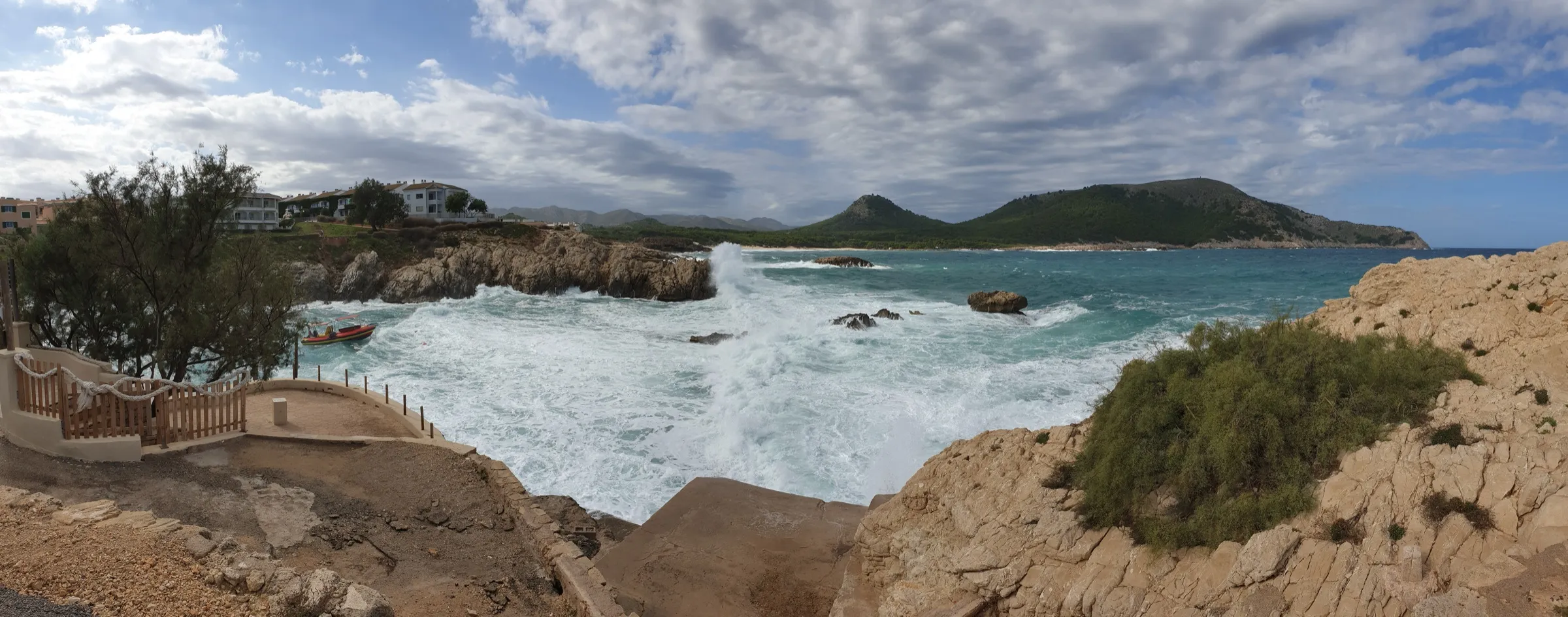
- Check the sea before you go. The cove faces north, and with tramuntana (north wind) or gregal (north-east wind) the waves roll in and it’s not a good day for swimming.
- Combine it with Cala Agulla. The seaside promenade takes you to the sandy beach in a few minutes.
The cove opens to the north, so with a south or west wind it’s usually calm. With a north wind, the water breaks hard against the rocks.
Photos of Cala Lliteres
Cala Lliteres features in these guides
Nearby coves
- Cala Agulla0.8 km
- Cala Moltó1 km
- Cala Gat1.1 km
- Son Moll1.7 km
Frequently asked questions
Is there any sand?
Hardly any. It's a rocky cove with a small corner of gravel. People sunbathe on the flat platform and on the rocks, and swim by going down the steps.
Can you dive or snorkel?
Yes, it's the best thing about the cove. It's inside the Llevant Marine Reserve and has a diving school that runs try dives, dives and snorkelling trips from April to October.
Where can I park?
There's no car park of its own. There are a few spaces on carrer de na Lliteres and nearby. If you're staying in Cala Rajada, walk.
Is it good for children?
Not really. There's no sand, you get into the water down steps or from the platform, and the bottom is rocky. For young children Cala Agulla is a better bet, 800 metres away along the promenade.
How do I get to Cala Agulla from here?
Along the seaside promenade heading west, about 800 metres.